Magnus Éirí: A New Monumental Work by Joseph Walsh at Adare Manor

By Joanna Dimowska

02nd September, 2026

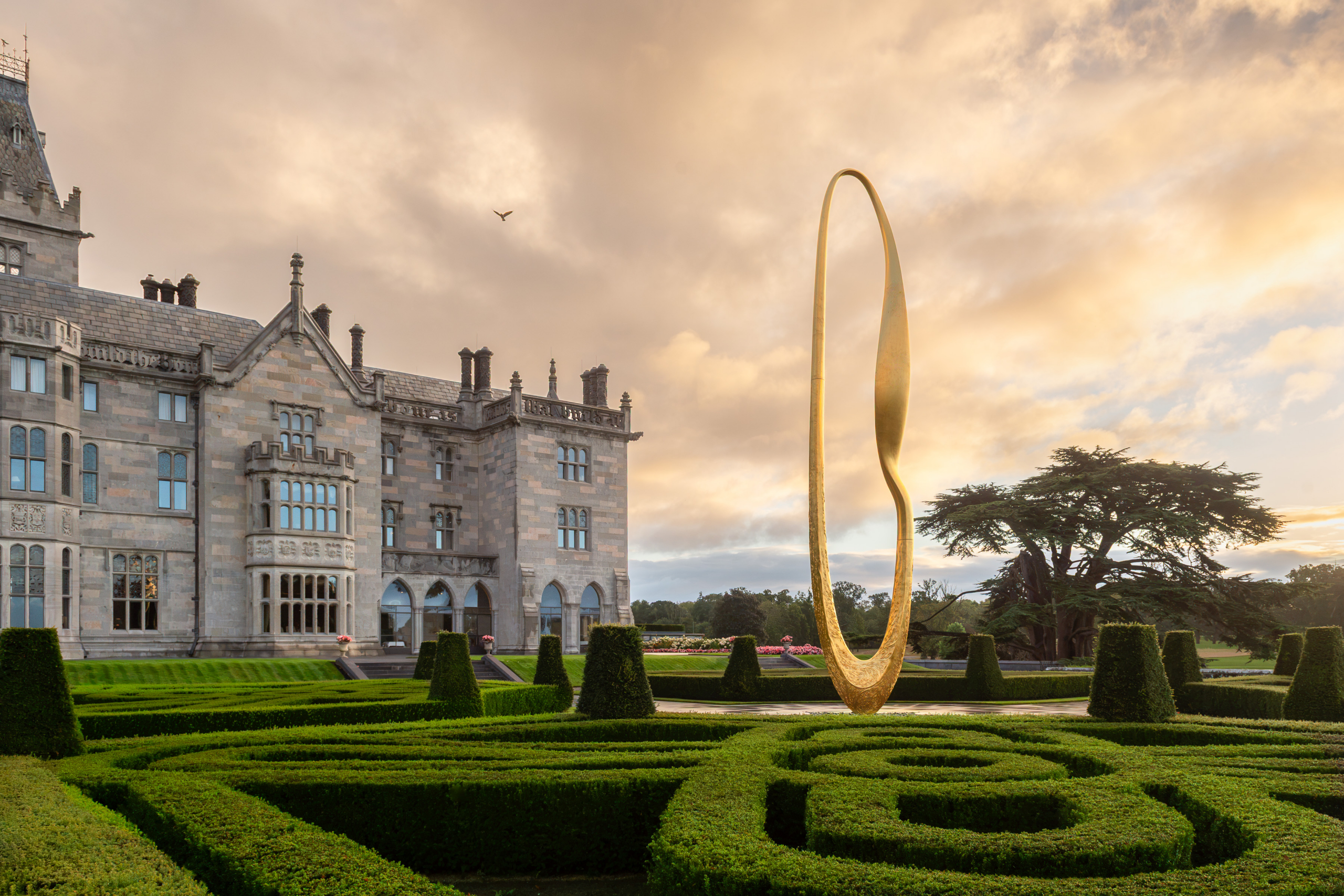
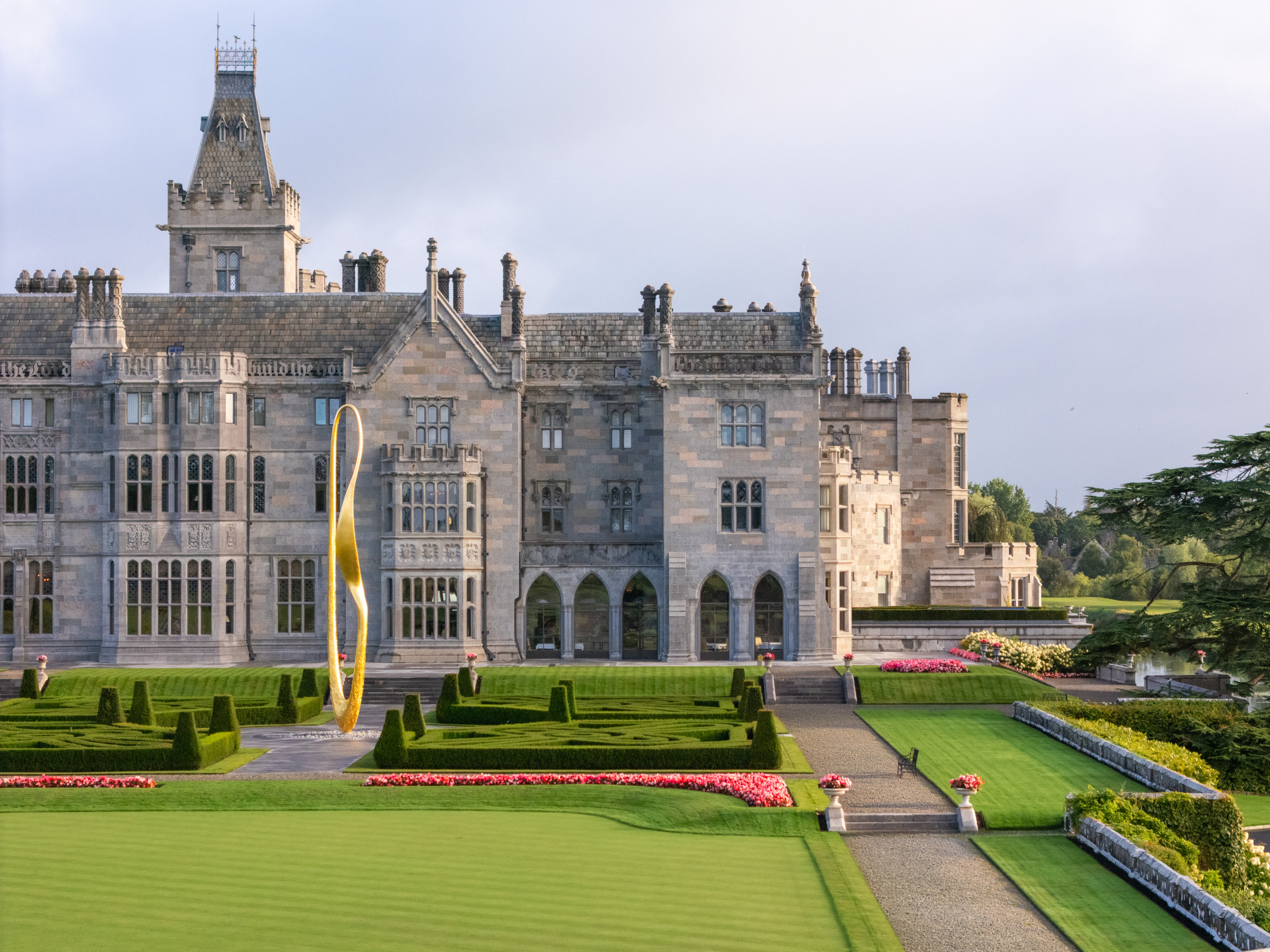
A new monumental work by Irish artist Joseph Walsh now rises within the landscape at Adare Manor.

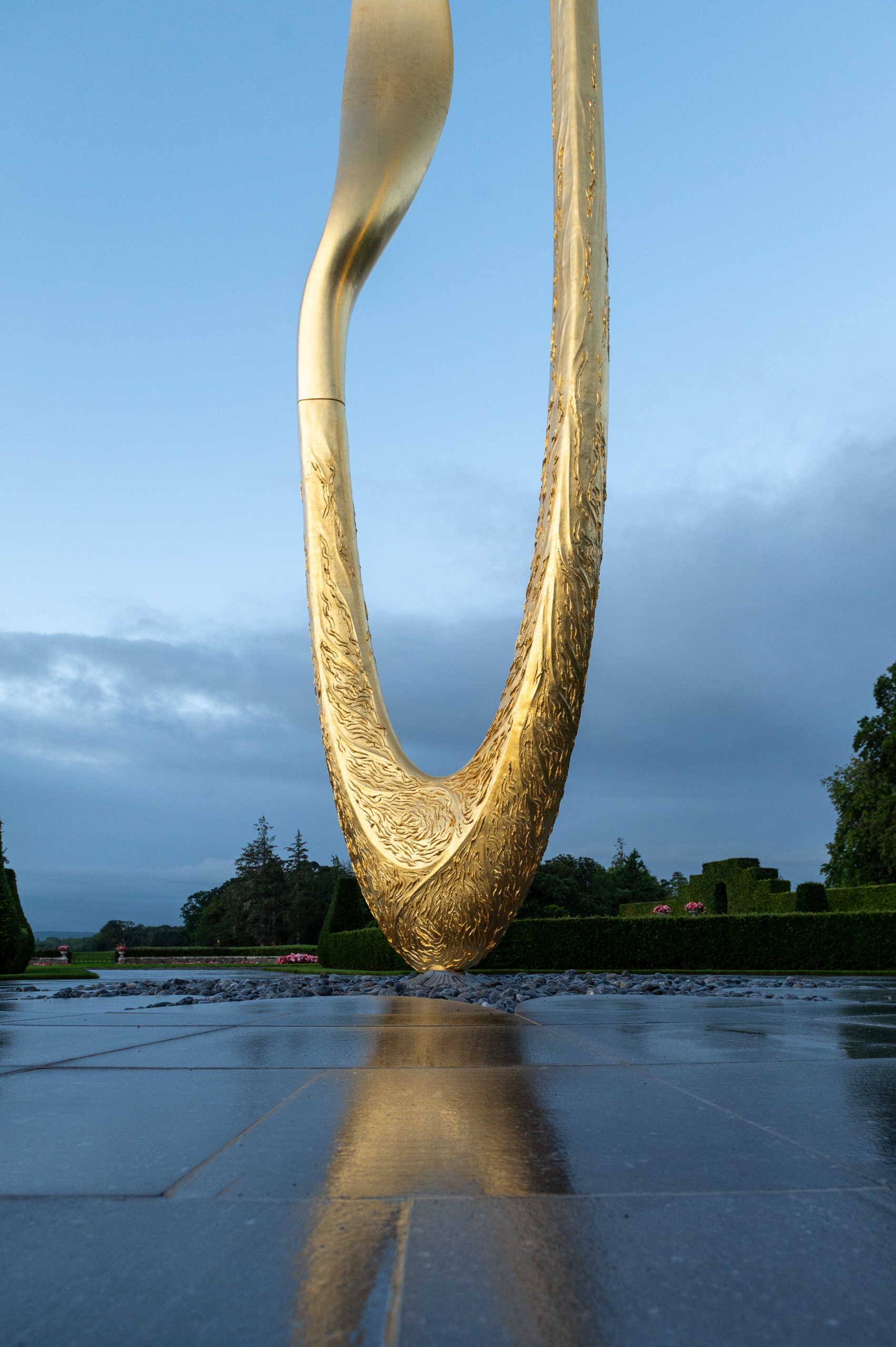
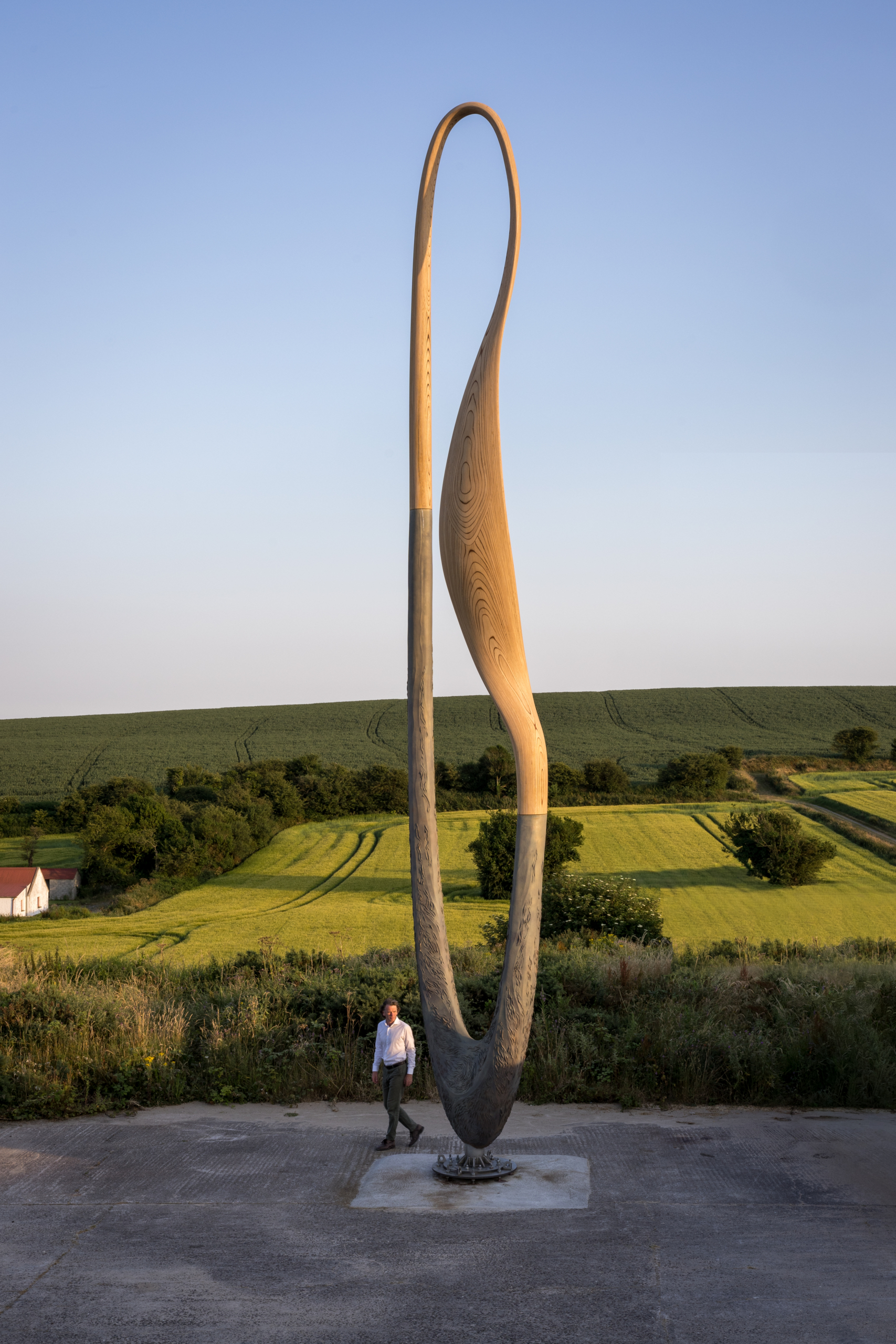
Magnus Éirí is a 12-metre-high sculpture formed from bronze, oak and gold. Conceived specifically for its setting, the work explores the relationship between humanity and nature, drawing together the landscape of Adare, the movement of the River Maigue, the history of the place and Joseph Walsh’s longstanding exploration of material and form.

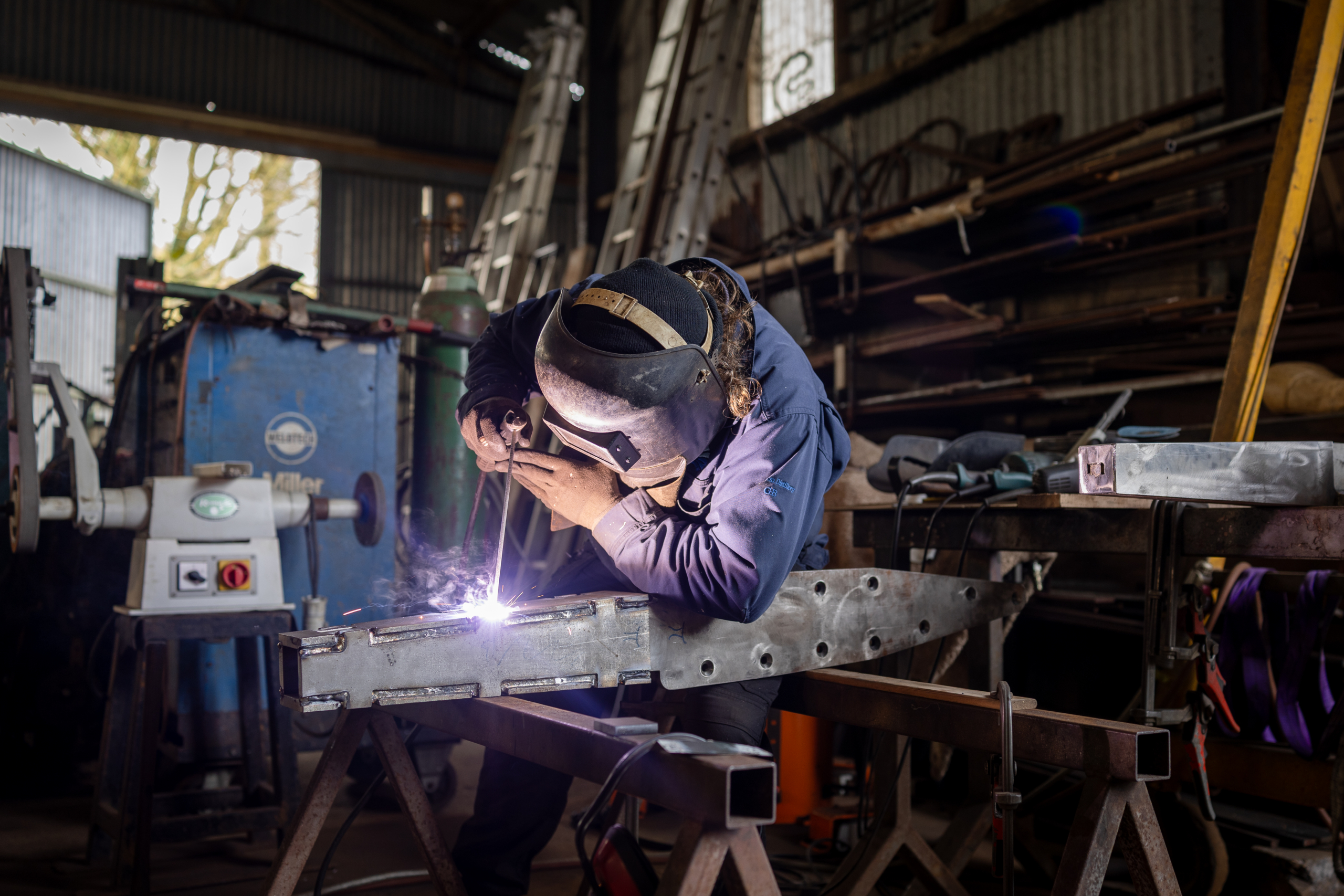
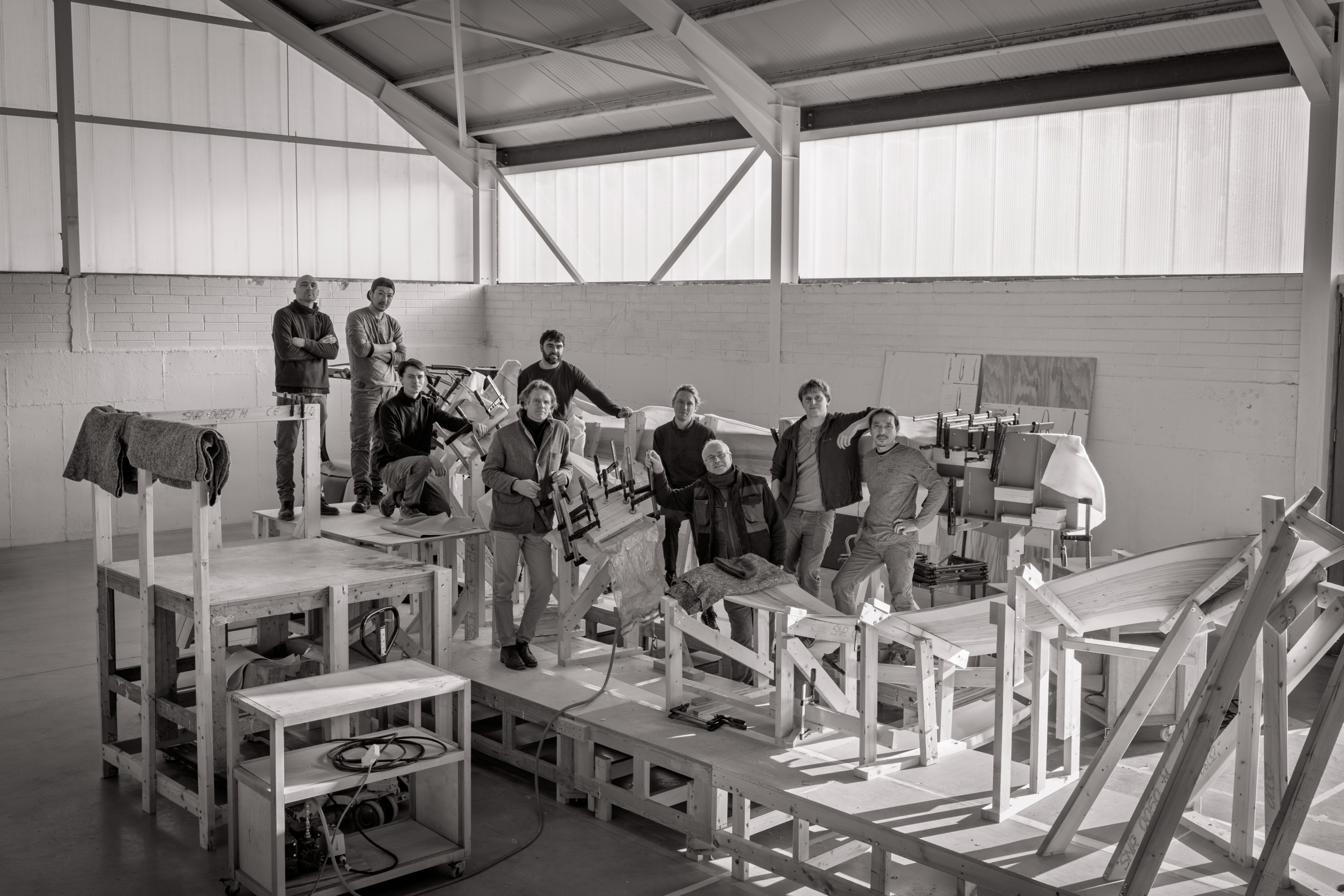
Commissioned in 2021 and developed over five years, Magnus Éirí is the tallest work realised by Joseph Walsh Studio to date. Its apparently simple, continuous gesture is the result of approximately 5,000 hours of work and the combined skills of 25 craftspeople, alongside extensive research, engineering and material development.

A Form Rooted in the Landscape

The landscape surrounding Adare was central to the development of the work.

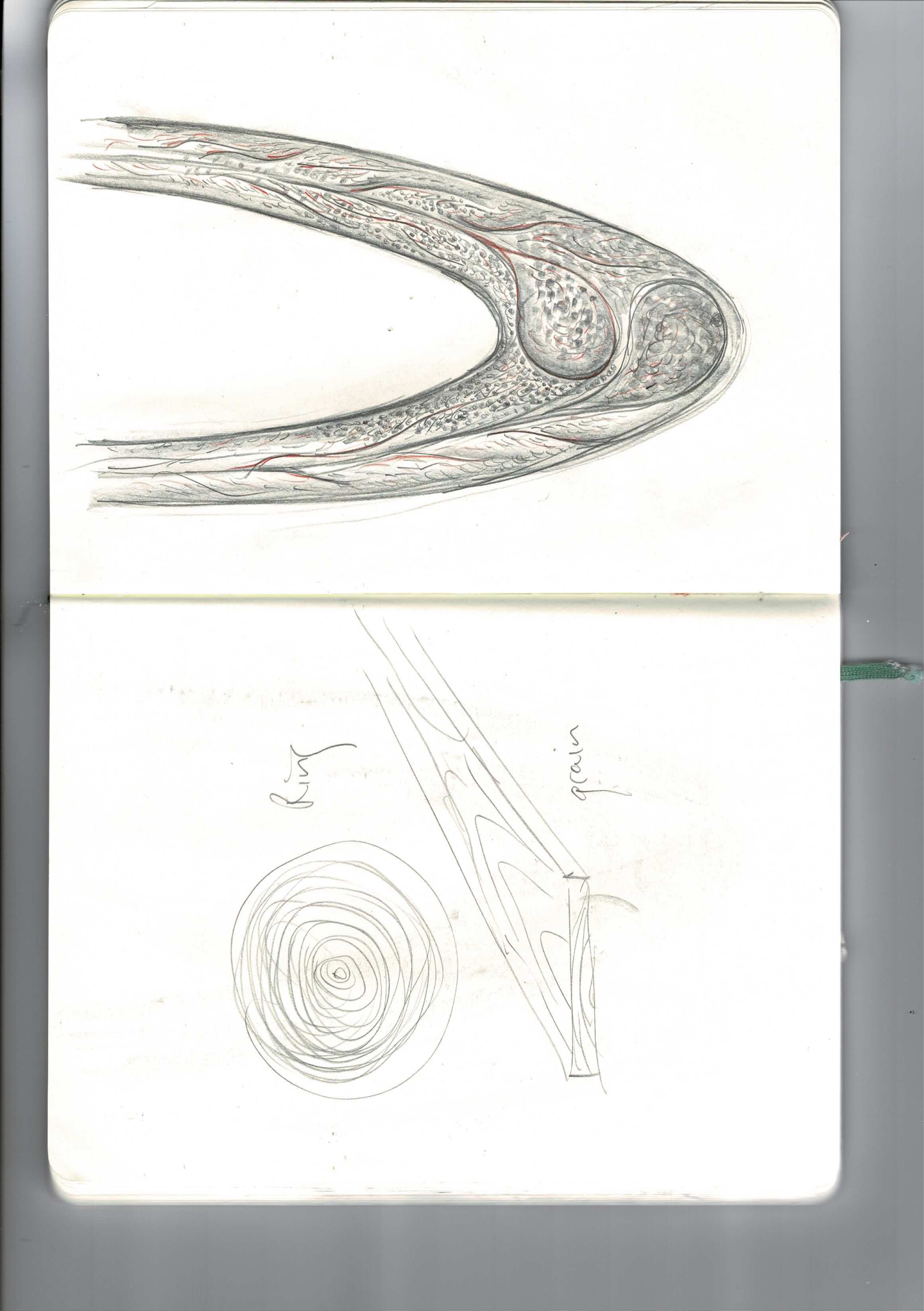
The River Maigue, which has shaped the land over centuries, became an important source of inspiration. Its movement is reflected in the sculpture’s ascending and descending form, while the continuous loop suggests timelessness and the ongoing relationship between the natural and human-made worlds. For Walsh, there is also a connection between the river finding its path of least resistance and his own way of working: rather than insisting on a predetermined shape, he works free-form, allowing the material’s elasticity to help determine the final form.

The history of Adare also became part of this response to place. The name Adare derives from Áth Dara, associated with an oak forest at the ford in the river. Nearby medieval monastic sites and the Gothic Revival architecture of Adare Manor provided further layers of inspiration, connecting the landscape with a long history of human settlement, craft, belief and aspiration.

Rather than creating a work independently and then placing it within its surroundings, Joseph Walsh Studio tested the sculpture in relation to the site throughout its development. Scale models were considered against the manor, river, parkland and the approaches from which the work would ultimately be experienced.

Humanity and Nature

The materials themselves carry much of the meaning within Magnus Éirí.

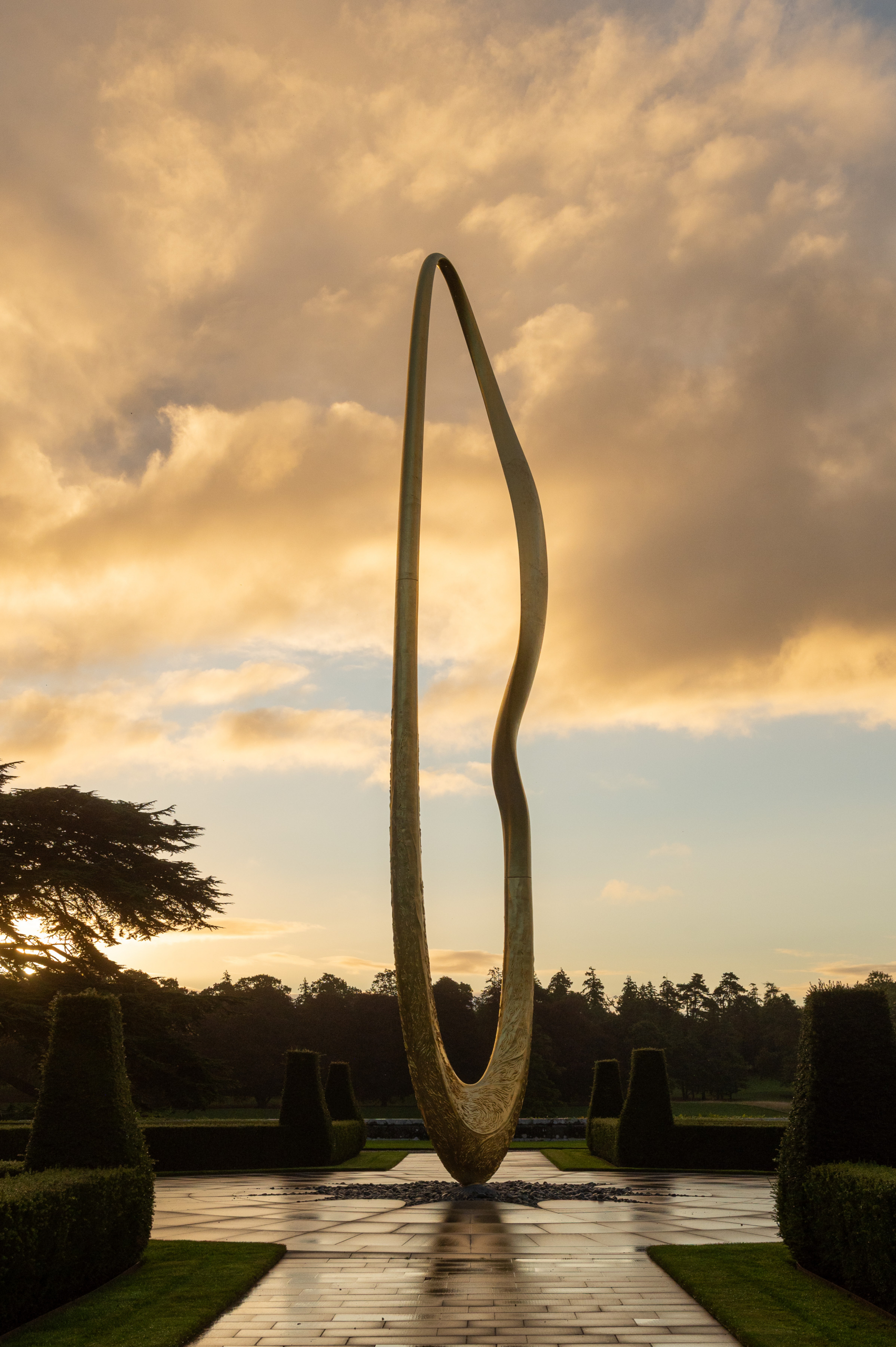
The lower section is cast in bronze. Its surface bears a pattern created from Joseph Walsh’s own thumbprints, capturing the physical trace of the maker and representing the human-made element of the work; the individuality of a gesture made at a particular moment. For Walsh, the rise of the bronze and the imprint of his thumb also speak to human aspiration and intervention, while the continuous flow into the oak expresses the symbiotic relationship between humanity and nature.

From the bronze, oak rises and moves freely through the upper section of the sculpture. Walsh describes this as a negotiation between intention and material: the form is guided by the artist, but the individual character and natural properties of the wood also influence its final path.

Together, the bronze and oak form one uninterrupted line.

The vertical rise represents human aspiration, while the freer movement of the oak evokes nature finding its own way, much like the River Maigue carving its path through the landscape over time.

Gold brings the two materials visually together. Its reflective surface represents the pursuit of enlightenment while also serving a practical purpose, helping to protect the bronze and oak beneath.

The Meaning of Éirí

The title reflects both the scale and movement of the sculpture.

Magnus is Latin for “great” or “monumental”, a reference not only to the physical scale of the work but also to the collective endeavour involved in its creation.

Éirí, meaning “rising” in Irish, refers to the upward movement of the sculpture and to the nearby River Maigue.

At 12 metres high, 2.2 metres wide and weighing approximately four tonnes, the sculpture is monumental in scale, yet its continuous form retains a sense of movement and lightness.

Five Years in the Making

Creating a work of this scale for an exposed Irish landscape required an extensive period of experimentation and research.

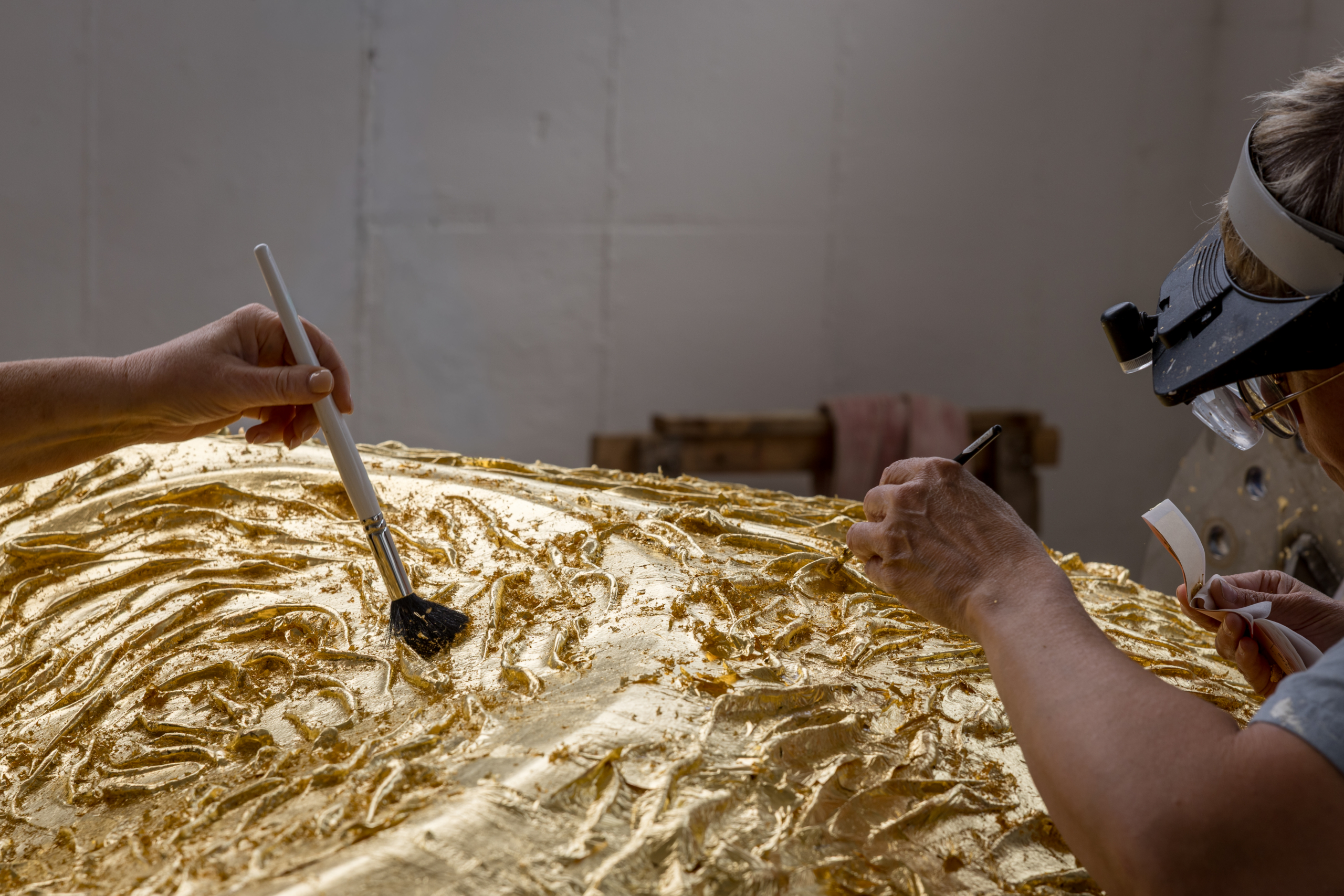
The project involved 25 craftspeople and approximately 5,000 hours of work. Woodworking was carried out at Joseph Walsh Studio in County Cork, with Keisuke Kawai, the studio’s workshop master maker who moved from Japan to Ireland to join the studio in 2008, as lead craftsman. The bronze was produced at Fonderia Mariani in Pietrasanta, Italy, led by Robert Glen, while Manetti Goldbeaters in Florence produced the gold leaf and Emma Nobes undertook the gilding. Master blacksmith Mark Keeling was responsible for the stainless-steel connections, with engineering expertise provided by Arup and Webb Yates.

The bronze element was developed using a combination of digital modelling and handwork. Its surface was sculpted before being covered in wax, with Joseph Walsh applying his thumbprint repeatedly to create the distinctive texture that remains visible through the finished gilded surface.

The oak presented a different challenge. A tree of sufficient scale had to be sourced in Europe before the material was brought to Joseph Walsh Studio, where it was laminated, shaped and joined to the bronze structure. The studio’s free-form lamination process was first developed in 2009 and has been continually refined and scaled; Magnus Éirí represents the most significant scale of the technique achieved by the studio to date.

Research and development extended beyond the five-year period of the commission itself, involving engineering firms and universities as the studio explored how to achieve the necessary structural strength and durability while retaining the visual lightness characteristic of Walsh’s work.

Joseph Walsh and the Magnus Series

Born in County Cork in 1979, Joseph Walsh founded his studio in 1999. His practice moves between art, craft, design and technical innovation, with work represented in collections including the Metropolitan Museum of Art in New York, the Centre Pompidou and Musée des Arts Décoratifs in Paris, and the National Gallery of Ireland.

Magnus Éirí forms part of a small group of monumental Magnus works, each created as a unique response to its setting. The Adare work is the tallest realised by the studio to date.

Set within the landscape at Adare Manor, Magnus Éirí brings together those ideas that have shaped the work from the beginning: material and maker, nature and human intervention, history and the present moment.

A single continuous gesture, rising from the landscape.